Room by room cleaning plan for allergy sufferers in UK homes
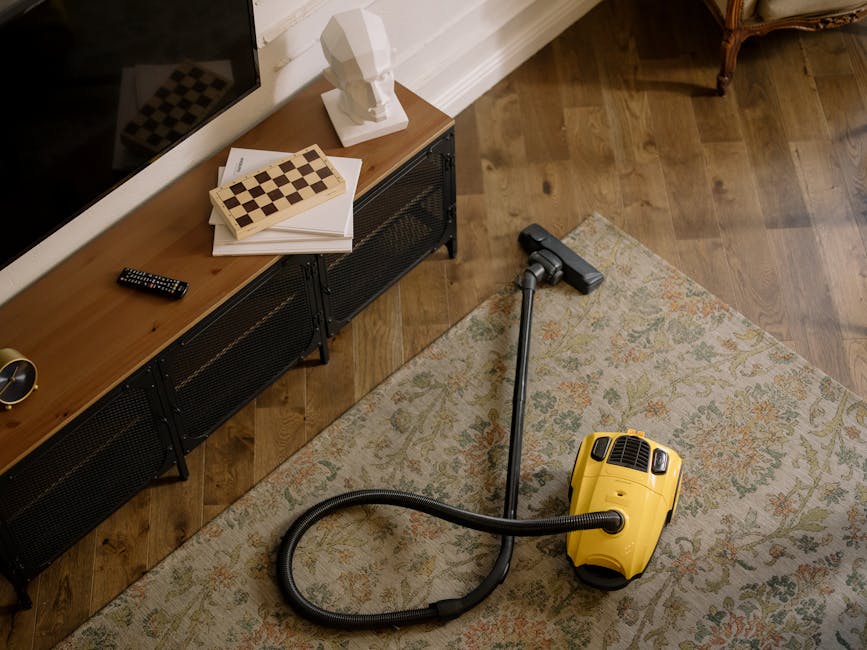
If you live with sneezing, itchy eyes, a blocked nose, or that constant "something in the air" feeling, a sensible room by room cleaning plan for allergy sufferers in UK homes can make daily life much easier. The key is not just cleaning more, but cleaning in the right order, with the right tools, and with a bit of consistency. In a typical British home, that means dust control, better vacuuming, managing damp, keeping pollen out, and paying attention to the rooms where allergens build up fastest. Truth be told, once you break the job into rooms, it stops feeling impossible.
This guide walks through what matters, why it matters, and exactly how to handle each room without wasting effort. You'll also find a practical checklist, comparison table, common mistakes, and a realistic example from a UK home. Nothing fancy. Just useful, calm, do-able advice for real life.
- Why this cleaning plan matters
- How the room by room approach works
- Benefits and practical advantages
- Who needs it and when it makes sense
- Step-by-step room cleaning guide
- Expert tips for better results
- Common mistakes to avoid
- Tools, resources and recommendations
- Law, compliance, standards and best practice
- Options, methods and comparison table
- Real-world example
- Practical checklist
- Conclusion
- Frequently asked questions
Why Room by room cleaning plan for allergy sufferers in UK homes Matters
Allergies are not only about "dust" in the vague sense. In the home, the real triggers often include dust mites, pollen brought in on clothes and shoes, pet dander, mould spores, and sometimes cleaning products that are too harsh or too fragranced. A room by room cleaning plan helps because allergens do not spread evenly. They collect where fabrics, airflow, humidity, and daily habits all meet.
That's why the kitchen is different from the bedroom, and the bathroom is a different beast again. If you treat the whole house the same, you tend to miss the spots that matter most. In a damp UK winter, for example, a bedroom window that never quite dries properly can become a silent nuisance. Meanwhile, in spring, pollen drifts in through an open sash or lingers on soft furnishings. Small things, but they add up.
Another reason this approach matters is that allergy management works better when you reduce exposure steadily rather than trying to "deep clean" everything in one exhausting burst. One good session can help, sure. But the home only stays comfortable if you keep the pressure off allergens week by week. That is the real game here.
Practical takeaway: the goal is not a spotless show home. The goal is a home that holds less dust, less moisture, less pollen, and fewer trigger points in the places you use most.
If your symptoms are worse at home or first thing in the morning, the bedroom and soft furnishings usually deserve the first pass. If they flare after cooking or showering, look at ventilation and moisture. Simple enough, though not always easy.
How Room by room cleaning plan for allergy sufferers in UK homes Works
The plan works by dividing the home into zones and giving each zone its own cleaning priorities. That might sound obvious, but it changes the whole job. Instead of trying to "clean the house," you're targeting allergen sources room by room: floors, fabrics, hidden corners, moisture spots, and high-touch surfaces.
A sensible allergy-friendly routine usually has three layers:
- Daily control for visible dust, crumbs, hair, and moisture.
- Weekly maintenance for vacuuming, washing bedding, wiping surfaces, and cleaning bathrooms and kitchens.
- Periodic deeper work for mattresses, upholstery, rugs, vents, skirting boards, and problem areas like mould-prone corners.
For many UK households, the best results come from a low-dust method. That means damp cloths where appropriate, a vacuum with a decent sealed system and HEPA-type filtration if possible, and avoiding dry sweeping that just flicks particles back into the air. There's no magic trick, only the boring stuff done properly. Which, admittedly, is often the point.
The other part of how it works is order. Start from the top and work down. Start with dry dusting where needed, then vacuum, then damp wipe, then finish with floors. That sequence keeps you from re-distributing allergens after you've already removed them. A small thing, but it makes a real difference.
Ventilation matters too. Open windows when pollen levels and weather conditions allow, but be careful during high-pollen periods if your symptoms are severe. In winter, brief ventilation can still help reduce indoor moisture. Balance is better than overthinking it.
Key Benefits and Practical Advantages
A room-based plan gives you more than just a cleaner-looking house. It improves the way the home feels day to day, which is the whole point for allergy sufferers.
- Less symptom trigger build-up: fewer dust reservoirs in bedding, carpets, and upholstery.
- Better sleep quality: bedrooms stay fresher and less irritating overnight.
- More efficient cleaning: you stop wasting time on low-impact tasks and focus on the worst offenders first.
- Lower moisture risk: especially helpful in bathrooms, kitchens, and older UK properties where condensation is common.
- Better control over pet allergens: if you live with cats or dogs, fabrics and soft furnishings can be managed more effectively.
- More manageable routine: a clear plan is easier to stick to than an occasional marathon clean.
There's also a mental benefit. People with allergies often feel like the home is always "behind." A good plan changes that feeling. You know what to do today, what to do this week, and what can wait until next month. That clarity matters more than people think.
And let's face it, a home that smells clean without smelling heavily perfumed is just nicer to live in. Not artificial-fresh. Just clean.
Who This Is For and When It Makes Sense
This approach is useful for anyone in a UK home dealing with hay fever symptoms indoors, dust mite sensitivity, pet allergies, mild asthma triggers, or recurring stuffiness that seems worse in certain rooms. It is especially helpful in homes with carpets, soft furnishings, older windows, poor ventilation, or frequent condensation.
It also makes sense if you have:
- children with seasonal or dust-related symptoms
- shared houses where cleaning habits are inconsistent
- pets that shed hair and dander
- bedrooms with heavy bedding, curtains, or fabric headboards
- bathrooms that collect mould or mildew after showers
- busy family kitchens where crumbs and steam build up quickly
If you've ever noticed that symptoms worsen after vacuuming, that can happen when dust is stirred up rather than captured properly. In that case, method and equipment matter just as much as frequency.
For people renting, this plan can help you maintain comfort between inspections or professional cleans. For homeowners, it becomes a sensible maintenance rhythm. For anyone with stronger symptoms, it may be worth combining the routine with advice from a medical professional, because cleaning helps reduce exposure but does not replace treatment.
Step-by-Step Guidance
Below is a practical room-by-room plan that fits a typical UK home. You can scale it up or down depending on house size, health needs, and time available. The aim is consistency, not perfection.
1. Start with the bedroom
The bedroom is usually the most important room for allergy sufferers because you spend so many hours there. Begin with bedding: wash sheets, pillowcases, and duvet covers regularly at a temperature suitable for the fabric, and dry them fully. Damp laundry lingering indoors is not helpful, especially in winter when windows stay shut and humidity can climb.
Vacuum the mattress, bed frame, skirting boards, and under the bed. If you have a fabric headboard, treat it like upholstery. Curtains can hold a surprising amount of dust too. If they are washable, follow the care label. If not, vacuum them gently using the upholstery attachment.
For pillows and duvets, check the care instructions carefully. Some people forget this and then wonder why everything clumps or smells a bit off. Happens all the time.
2. Move to the living room
This room often contains the biggest mix of triggers: sofas, rugs, throws, cushions, pet hair, and dust tracked in from outside. Vacuum soft furnishings thoroughly, including underneath seat cushions and along seams where debris collects. If you have a rug, give extra attention to the edges and underside.
Hard surfaces should be wiped with a slightly damp microfibre cloth rather than dry dusted. That keeps particles from floating around. If you use a fan or open windows for air movement, do it after dust removal rather than during it. Otherwise you can end up chasing dust clouds around the room like a cartoon.
Keep clutter down here if you can. Fewer objects mean fewer dust traps. Not zero clutter, just less of it.
3. Clean the kitchen with moisture control in mind
The kitchen needs a mix of grease control and allergen control. Wipe counters, cupboard fronts, splashbacks, handles, and around the sink. Crumbs are not just untidy; they can attract insects and add to poor air quality in a busy space. Empty bins regularly and clean around them.
Pay particular attention to extractor fans, cooker hoods, and behind appliances where possible. Steam from cooking creates moisture, and moisture encourages mould. In UK homes, especially during colder months, kitchen condensation can be a stubborn issue. Open a window briefly after cooking if it is practical, or use extraction properly.
If food allergies also affect your household, keeping the kitchen cleaner and more organised helps with cross-contact too. Different issue, same benefit: calm, controlled surfaces.
4. Tackle the bathroom
Bathrooms are all about humidity control. Shower screens, tiles, grout, sealants, and corners all need attention because mould can appear quietly and then spread before you notice. Clean with suitable products, rinse away residue, and dry surfaces where possible.
Ventilation is essential. Use the extractor fan if there is one, and leave the door ajar afterwards if that helps air movement. Wipe down damp areas after baths and showers. It sounds a bit extra, but a minute or two each day saves much bigger problems later.
Do not ignore bath mats, towels, and window sills. They are easy to forget and quite good at holding moisture. Not ideal for sensitive noses, obviously.
5. Handle hallways and entry points
Hallways are where pollen, dirt, and outdoor debris get carried into the home. This is especially important in spring and early summer, and in wet weather when shoes bring in grit and moisture. Use a doormat inside and outside the entrance if possible, and clean it regularly.
Vacuum the hallway floors, skirting boards, and shoe storage areas. If coats are stored here, shake them out outdoors when practical. A small habit like this can reduce the amount of pollen that gets tracked into sleeping and living spaces.
And yes, if everyone in the house dumps their shoes by the door, a shoe rack really does earn its keep.
6. Include stairs and landing
These areas are often forgotten because they are not "rooms" in the usual sense, yet they gather dust, fibres, and pet hair. Vacuum stair edges, carpet runners, and banisters. For painted woodwork, use a damp cloth where appropriate. If your stairs are carpeted, clean along the nose of each step where dirt gathers.
Landings can also be a good place for air to circulate, so keeping them clear helps the whole house feel less stale. Little wins.
7. Don't neglect less obvious spaces
Utility rooms, home offices, wardrobes, and spare rooms can all collect dust and mould if left alone. If you store seasonal clothes, vacuum storage areas before swapping items in and out. If you have a spare room with a rarely opened window, check for condensation, dust, and fabric build-up.
Even a cupboard under the stairs can become a problem if it stays damp or cluttered. The odd smell of paper, fabric, or old cardboard is often a clue. Trust your nose a bit.
Expert Tips for Better Results
Once the basics are in place, the small details make the difference. These are the habits that tend to separate a good routine from one that merely looks tidy.
- Vacuum slowly: a quick pass misses debris and stirs more up.
- Use the right attachments: crevice tools, upholstery tools, and soft brushes help a lot.
- Choose microfibre over feather dusters: feather dusters often just move particles around.
- Wash soft furnishings regularly: cushion covers, throws, and blankets need attention too.
- Keep humidity in check: mould thrives where moisture lingers.
- Limit strong fragrances: heavy sprays can irritate sensitive airways.
- Work top to bottom: it saves you from cleaning the same dust twice.
Another useful trick is to clean when the home is quiet. Early morning or after the main rush of the day often works best, simply because there is less movement stirring things up. If you have pets, move them out of the room while vacuuming and let the dust settle before putting cushions back in place.
In our experience, the homes that improve fastest are the ones where people stop chasing "perfect" and start protecting the key rooms. Bedroom first, then the living room, then moisture-prone spaces. That order is often enough to notice a change within a week or two.
Common Mistakes to Avoid
A lot of people with allergies are already cleaning hard. The issue is often not effort, but method. Here are the common traps.
- Using dry dusting too often: it can send allergens airborne.
- Vacuuming without proper filtration: not every machine traps fine particles well.
- Overusing scented sprays: a fresh smell is not the same as cleaner air.
- Ignoring bedding: this is one of the biggest missed opportunities.
- Leaving damp items around: tea towels, bath mats, and wet clothes can raise humidity.
- Cleaning everything at once and burning out: better to do a focused plan and keep it going.
- Forgetting soft furnishings: sofas, rugs, curtains, and cushions all matter.
One subtle mistake is cleaning only what you can see. Allergens love the hidden spots: under beds, behind radiators, in vents, and along skirting edges. Those places are not glamorous, but they matter more than many shiny surfaces.
Another is using too much water. Damp cleaning is useful, yes, but soaking fabrics or wood can make things worse by creating a moisture problem. Easy to overdo it.
Tools, Resources and Recommendations
You do not need a warehouse of equipment. A lean, reliable toolkit is usually enough.
| Tool / item | Why it helps | Best used for |
|---|---|---|
| Vacuum with sealed filtration | Helps capture fine dust rather than blowing it back out | Carpets, rugs, mattresses, stairs, upholstery |
| Microfibre cloths | Lift dust effectively with less spread | Surfaces, skirting boards, shelves, handles |
| Mop or damp floor cloth | Useful for hard floors without stirring dust | Kitchens, hallways, bathrooms |
| Upholstery attachment | Reaches seams and fabric surfaces properly | Sofas, chairs, cushions, headboards |
| Dehumidifier or good ventilation | Reduces moisture where mould is a risk | Bathrooms, kitchens, bedrooms, utility spaces |
| Mattress protector | Helps reduce allergen build-up in bedding | Bedrooms |
If your carpets or rugs are a major trigger, it may be worth looking at a more thorough carpet maintenance routine. A proper deep clean can sometimes help lift embedded dust that regular vacuuming cannot fully reach. The same goes for upholstery and sofas, where everyday crumbs, pet hair, and dust collect quietly over time.
You may also want to consider support from a professional deep cleaning service, especially if the home has been neglected, had renovation dust, or suffered a long period of poor ventilation. For ongoing upkeep, a regular domestic cleaning routine can keep allergens from creeping back in. And if soft furnishings are part of the problem, services like carpet cleaning and upholstery cleaning may be particularly relevant.
If you prefer to handle parts yourself, choose products and methods that suit your home rather than trying every trendy tip you see online. Not everything needs to sparkle; some things just need to stop irritating your nose.
Law, Compliance, Standards, or Best Practice
For a household cleaning plan, there is usually no special legal requirement that forces a certain method. However, there are sensible best-practice considerations in the UK that are worth keeping in mind, especially if you hire help or use stronger products.
First, follow product labels carefully. Cleaning chemicals should be used as directed, with attention to ventilation, dilution, and safe storage away from children and pets. If someone in the home has asthma or fragrance sensitivity, it is sensible to choose milder products where possible.
Second, if you use a cleaning company, check that they have appropriate insurance, clear health and safety practices, and transparent terms. That is not overkill; it is basic peace of mind. A reliable provider should be able to explain how they work around soft furnishings, fragile finishes, and sensitive households. You can also review a company's health and safety policy and insurance and safety information if you want extra reassurance before booking.
Third, if mould is recurring, treat it seriously. Regular wiping may deal with visible patches, but persistent damp can point to a ventilation or building issue. In older UK homes, that can be down to condensation, leaking seals, or insulation problems. Cleaning helps, but it should not be used as a cover-up for an ongoing moisture source.
Finally, if allergy symptoms are severe or worsening, speak to a healthcare professional. A cleaning routine can reduce exposure, but it is not a medical treatment. That distinction matters.
Options, Methods, or Comparison Table
Not every home needs the same approach. Here's a useful comparison of common methods for allergy-conscious cleaning in UK homes.
| Method | Best for | Pros | Limitations |
|---|---|---|---|
| Weekly DIY cleaning | Light to moderate allergen control | Low cost, flexible, familiar | Easy to miss deep dust and hidden areas |
| Room-by-room schedule | Busy homes and symptom-focused control | Structured, practical, sustainable | Needs consistency to work well |
| Professional deep clean | Heavy build-up, move-ins, spring refreshes | Thorough, time-saving, useful reset | Higher upfront cost than DIY |
| Combined approach | Most allergy sufferers | Balances upkeep and deeper treatment | Requires a bit of planning |
For most households, the combined approach is the sweet spot. You keep on top of the main rooms yourself, then bring in deeper help for carpets, upholstery, ovens, or whole-home refreshes when needed. It is a practical middle ground, and usually the least stressful.
If your home has a lot of soft furnishings, a regular carpet and upholstery maintenance plan can make a noticeable difference. If hard floors dominate, then mopping, edge cleaning, and dust control around skirting boards become more important. Different house, different priorities. Fair enough.
Case Study or Real-World Example
Consider a typical two-bedroom flat in London with one cat, carpet in the bedrooms, a rug in the living room, and a bathroom that fogs up after every shower. The main complaint is waking up congested and noticing that symptoms are worse in the evening after sitting on the sofa.
The first change is simple: bedding is washed regularly, mattresses are vacuumed, and the bedroom gets a better weekly routine. The second change is the living room. Cushion covers are washed, the rug is vacuumed more slowly and more often, and the sofa is cleaned underneath the cushions. The third change is moisture control in the bathroom, with better ventilation and quicker wipe-downs after showers.
After a few weeks, the household notices something subtle but valuable: mornings feel less stuffy, and the constant "dusty" smell has eased. Not magic. Just less build-up in the places that matter most. The home is not spotless every minute, because nobody's home is. But it feels easier to live in, and that is the point.
That kind of result is realistic. You do not need to change everything at once. Start with the bedroom, then deal with the living room fabrics, then the moisture-prone spaces. The improvement tends to compound.
Practical Checklist
Use this checklist to keep your allergy-friendly routine on track.
- Wash bedding regularly and dry it fully
- Vacuum mattress, bed frame, and under the bed
- Clean skirting boards, corners, and behind furniture
- Vacuum sofas, cushions, rugs, and curtains as needed
- Wipe hard surfaces with a damp microfibre cloth
- Keep kitchen crumbs, grease, and bin areas under control
- Reduce bathroom moisture and check for mould spots
- Clean hallways and entrances to reduce pollen transfer
- Use ventilation wisely, especially after cooking and showering
- Avoid heavy fragrances and harsh sprays if they trigger symptoms
- Focus on one room at a time so the routine stays manageable
- Review problem rooms monthly and tighten up where needed
Quick reminder: if you can only do three things this week, do the bedroom, the vacuuming, and the moisture control. Those three usually carry the most weight.
Conclusion
A good room by room cleaning plan for allergy sufferers in UK homes is really about control, not perfection. By focusing on the rooms where allergens gather fastest, you reduce the day-to-day burden without turning your life upside down. Bedrooms, living rooms, kitchens, bathrooms, and entryways all need slightly different treatment, and once you respect that, the whole home becomes easier to manage.
Start small if you need to. One room this weekend. Another next week. That is enough to get momentum going, and momentum is half the battle. Before long, the house feels calmer, cleaner, and a bit kinder to breathe in. And honestly, that's a lovely thing to get back.
Get a free quote today and see how much you can save.
Frequently Asked Questions
What is the best room to start with for allergy cleaning?
The bedroom is usually the best place to start because you spend so much time there and bedding, mattresses, and curtains can hold a lot of dust and allergens. If you wake up congested, that room is often the biggest clue.
How often should allergy sufferers clean bedrooms in UK homes?
Light tasks such as tidying, dust control, and ventilation may be worth doing daily, while bedding and vacuuming are often best done weekly. The exact schedule depends on symptoms, pets, and how much fabric is in the room.
Do carpets make allergies worse?
They can, especially if they are not vacuumed well or if the vacuum does not trap fine particles effectively. That said, many homes have carpets, and with the right routine they can still be managed. Regular maintenance matters a lot.
Is vacuuming enough to control dust mites?
Usually not on its own. Vacuuming helps, but dust mites are also controlled through bedding care, reducing humidity, and cleaning soft furnishings. It works best as part of a wider plan.
What cleaning products are best for people with allergies?
Simple, low-fragrance products are often easier on sensitive households. Strong scents can be irritating even when the room looks clean. Read labels carefully and avoid anything that leaves a heavy perfume behind.
How do I reduce pollen coming into the house?
Try to keep doors and windows managed sensibly during high pollen times, use doormats, change clothes after being outdoors, and avoid bringing outdoor debris into bedrooms and living areas. Entry points matter more than people think.
Can professional cleaning help with allergies?
Yes, especially for carpets, upholstery, ovens, and deep-cleaning of rooms where dust has built up over time. Professional help is useful for a reset, but the home still needs regular maintenance afterwards.
What part of the bathroom should I clean most carefully?
Focus on areas where moisture lingers: shower screens, grout, sealant edges, corners, mats, and any sign of mould or mildew. Bathrooms are one of the easiest places for damp-related irritation to creep in.
How do I clean a sofa if I have allergies?
Vacuum slowly with an upholstery attachment, pay attention to seams and cushions, and clean removable covers according to their care instructions. Sofas collect more than most people expect, especially in homes with pets or children.
Is a room by room cleaning plan suitable for families with children?
Yes, and it often works better than a broad, vague cleaning routine. Families can split tasks by room and age, which makes the routine easier to keep up without overwhelming anyone.
What if my allergies are worse after cleaning?
That can happen when dust is stirred up or products are too strong. Try better filtration, slower vacuuming, damp wiping instead of dry dusting, and milder products. If symptoms remain severe, get medical advice.
How do I know if mould is part of the problem?
If you notice a damp smell, black or green spotting, peeling sealant, or symptoms that worsen in humid rooms, mould may be involved. Persistent mould should be treated as a moisture issue as well as a cleaning issue.
Should I clean in a certain order?
Yes. Top to bottom is usually best: dust high surfaces first, then lower ones, then vacuum and finish the floors. That way you are not undoing your own work, which is annoyingly easy to do otherwise.